
Calm Home Interior Design Singapore: How Thoughtful Design Creates Peaceful Homes
Have you ever stepped into a home and immediately felt at ease — even though it wasn’t particularly large or lavish?
In Singapore homes, calm home interior design is less about size or luxury, and more about creating balance through layout, lighting, storage, and intentional design choices.
There’s a quiet sense of calm in some spaces that’s hard to describe, but easy to feel. These homes don’t rely on expensive finishes or oversized layouts. Instead, they feel balanced, intentional, and thoughtfully designed.
At YIS Living, we often hear homeowners say:
“I want my home to feel calm.”
But calm isn’t a style you buy — it’s something you design for.
Here’s what truly makes a home feel calm, especially in compact Singapore HDBs and condos.
1. Calm Home Interior Design Singapore Starts with Visual Breathing Space
One of the biggest differences between a calm home and a chaotic one is visual noise.
Calm homes:
Avoid overcrowding surfaces
Use fewer, more intentional décor pieces
Allow negative space to exist
This doesn’t mean your home has to look empty or minimal. It simply means that every item has a reason to be there.

✨ Design insight: A coffee table styled with three thoughtful objects often feels calmer than one filled with many small items.
2. Hidden Storage: A Core Principle of Calm Home Interior Design in Singapore
Clutter is the enemy of calm — but so is poorly planned storage.
In calm homes:
Storage is integrated into carpentry
Daily-use items are easy to access but not on display
Open shelves are styled sparingly
This is why built-in wardrobes, concealed cabinets, and integrated TV consoles make such a big difference, especially in smaller homes.
A space can be beautifully designed, but if things don’t have a “home,” calm is impossible to maintain.

3. How Colour and Texture Shape Calm Home Interior Design in Singapore
Soft, Cohesive Palettes Create Emotionally Calm Homes.
Calm homes rarely rely on strong contrast or too many colours.
Instead, they often use:
Warm neutrals
Muted tones
Subtle variations of the same colour family
This doesn’t mean boring or plain. Texture becomes the hero — wood grain, fabric, stone, and gentle finishes add depth without visual chaos.
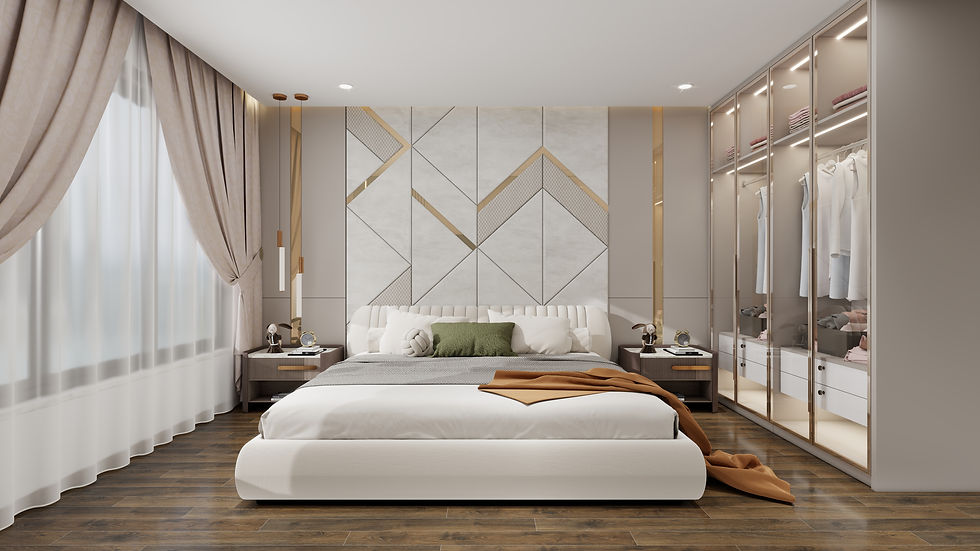
✨ Design insight: When colours are calm, the eye doesn’t have to work as hard — and the mind follows.
4. Lighting Is Layered, Not Harsh
Lighting plays a huge role in how a space feels emotionally.
Homes that feel calm usually:
Avoid harsh white lighting
Use warm lighting in living and bedrooms
Layer lighting instead of relying on one ceiling light
Layered lighting is frequently used in calm home interior design Singapore designers rely on to soften interiors and reduce visual tension.
A combination of ambient, task, and accent lighting creates softness and depth — especially at night, when calm matters most.
Many homeowners are surprised by how much calmer their home feels after simply adjusting lighting temperature.

5. The Layout Supports How People Actually Live
Calm doesn’t come from how a space looks — it comes from how it works.
In calm homes:
Walkways are clear and intuitive
Furniture placement supports movement
Spaces are designed around daily routines
For example:
A bench near the entryway for bags and shoes
Clear countertop space in the kitchen
Seating arranged for conversation, not just aesthetics
A well-planned layout is essential to calm home interior design in Singapore, where homes must support real routines rather than just look good on photos.
When a home supports daily habits smoothly, stress quietly disappears.
6. Furniture Is Comfortable Before It Is Trendy
Trendy furniture can look great in photos — but calm homes prioritise comfort.
This means:
Sofas with proper depth and support
Dining chairs you can sit on for hours
Bedroom layouts that allow easy movement
Comfortable furniture encourages slower living — lingering conversations, relaxed evenings, and better rest.
✨ Design insight: A calm home invites you to stay, not rush.
7. Calm Homes Are Designed With Restraint
Perhaps the most overlooked factor is restraint.
Calm homes don’t try to do everything at once. They don’t chase every trend. They don’t fill every wall.
Instead, they make intentional choices:
Fewer materials, used consistently
One or two design highlights per space
A clear overall vision
This restraint is what makes a home feel timeless — and emotionally grounding.
8. Calm Is Felt Most Strongly in Smaller Homes
Ironically, calm design matters even more in compact spaces.
In HDBs and condos, every decision has more impact:
Too many materials can overwhelm
Poor storage planning creates instant clutter
Overly dark colours can shrink a space emotionally
When designed thoughtfully, even a small home can feel calm, airy, and generous.
Final Thoughts
Calm homes aren’t accidental.They’re the result of thoughtful decisions made with intention — not excess.
It’s not about how big your home is, or how much you spend. It’s about clarity, balance, and designing for how you want to feel at home.
At YIS Living, we believe a well-designed home should support your life quietly — without shouting for attention.
If you’re planning a refresh or renovation and want a home that truly feels calm, we’d love to help you get there.
👉 Book a free design consultation
📱 WhatsApp us for a quote (88327328)


Comments